- Green Jobs Rising
- Posts
- The push to make rice farming climate-resilient
The push to make rice farming climate-resilient
A new initiative helping farmers adapt to climate change while creating thousands of jobs along the rice value chain


Pauline Ronoh & Ian Musembi
March 24, 2026 • Today's reading time: 3 minutes
Source: Continent Rising
Hey,
Welcome to Green Jobs Rising!
In today’s edition, we look at a new climate-smart agriculture project designed at making rice farming more resilient to climate change while strengthening local food systems.
The initiative, called REWARD (Resilient Rice Value Chains Development Project), is led by the African Development Bank Group in partnership with AfricaRice (Africa Rice Center) and the Economic Community of West African States.
With about $8.5 million in funding, the programme will run until 2029 and support climate-smart rice production across 14 countries, including Benin, Ghana, Senegal, Sierra Leone and Togo.
The goal is to help West Africa grow more of its own rice while making farming systems more resilient to climate change.
The project will introduce improved seed systems, sustainable farming practices, modern processing technologies and stronger regional coordination across the rice value chain.
Rice is one of the most widely consumed foods in West Africa, yet the region still imports large amounts to meet demand.
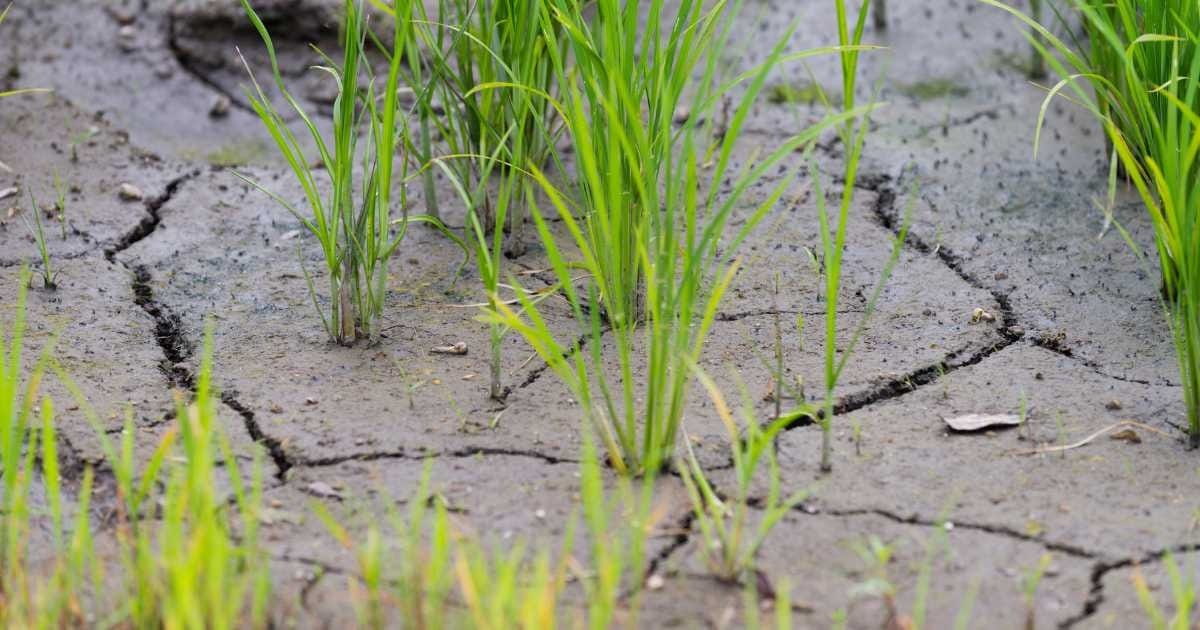
Climate change is already making production more difficult. Rising temperatures, irregular rainfall and flooding are already affecting yields in many rice-growing areas.
This programme focuses on climate-smart agriculture, meaning farmers will adopt practices that both increase productivity and help them adapt to changing climate conditions.
If successful, rice yields could increase significantly while improving farmer incomes and strengthening regional food security.
Why does this matter?
The project is expected to create up to 78,000 jobs, including both permanent and seasonal roles. 39,000 of these jobs are set for women.
The project is also expected to raise rice yields from around two to seven tons per hectare, and increase average annual farmer incomes from approximately $1,385 to $1,605.
Some of the opportunities that could arise from this include climate-smart agriculture extension officers, agricultural researchers, food processing and value-chain managers, agribusiness and SME support roles among others.
The programme will also support 65 SMEs in the rice sector and train thousands of farmers and processors.
For young professionals interested in climate and agriculture, projects like this need talent across fields such as: agronomy, agribusiness, supply chains, digital agriculture and climate data systems.
The project could become a major breakthrough for both farmers and job seekers once it’s fully operational.
While we keep an eye on companies quietly expanding, here are some exciting opportunities in the circular economy that are already open. Click below to explore and apply for the role that best fits your skills and goals.

Reply