- Green Jobs Rising
- Posts
- Your weekly skill boost
Your weekly skill boost
Short, credible courses and webinars for climate and clean energy jobs


Pauline Ronoh & Ian Musembi
November 20, 2025 • Today's reading time: 2 minutes
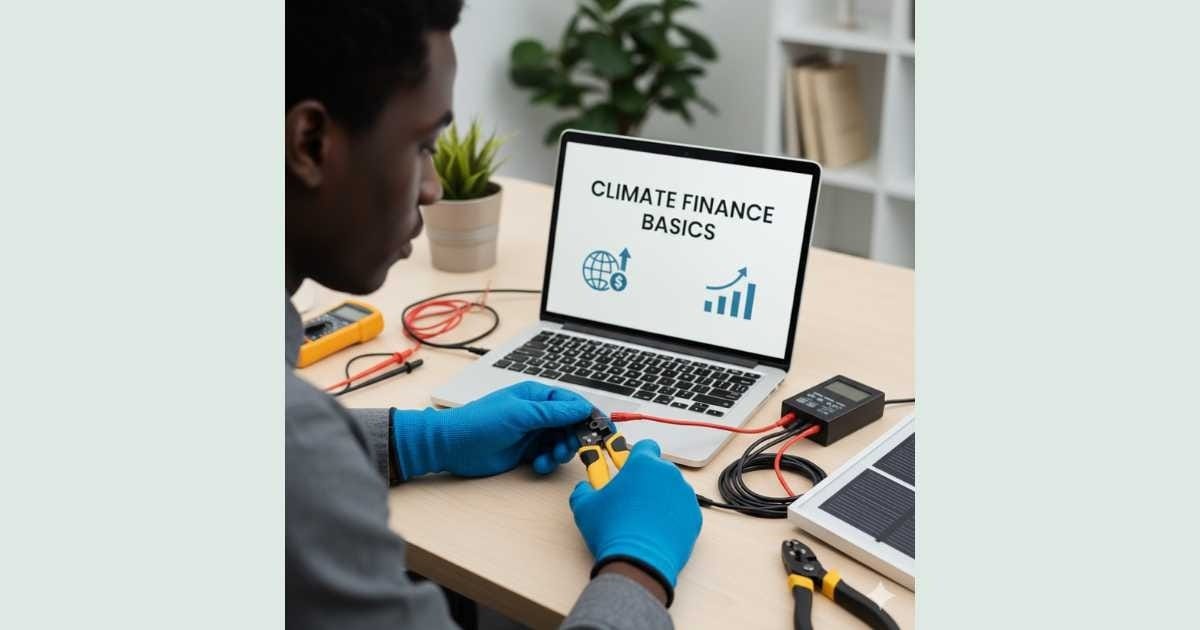
Source: Continent Rising
Hey,
Welcome to Green Jobs Rising!
Upskilling is like installing a new software update for your career, a small download that unlocks big new features.
Treat your brain like software: regular updates keep you fast, relevant and bug-free.
A few focused hours each week is all it takes to patch the gaps, boost your performance and give you sharper talking points in interviews.
This course taking the spotlight today is Introduction to Climate-Smart Agriculture from FAO.
Think of it as a practical field guide to how climate change is reshaping crops and food systems, and a clear five-step road-map for designing climate-smart projects that work on the ground.
If you work in agriculture, food businesses or local government, this course helps you speak fluent adaptation and write proposals that show impact.
A quick note on price: free and paid versions usually cover the same content. The fee mainly pays for graded assessments, mentor feedback or alumni perks.
If the budget is tight, choose the free track and have fun learning.
Ready to start learning? Here are a few resources to explore:
Introduction to Climate-Smart Agriculture
Learn how climate change affects crops, food security and wider food systems, then explore the Climate-Smart Agriculture approach and its practical five-step process for implementation, useful for both farm practice and ag-policy work.
Understand how climate risks translate into real health impacts, see what mitigation and adaptation look like in health systems, and use World Bank tools that help teams build climate resilience and assess climate co-benefits in operations.
Understanding the role Carbon finance for conservation
This is a paid course designed for professionals in the African conservation sector who want to use carbon markets effectively, whether you are a conservationist, policymaker, consultant, NGO practitioner or a business seeking credible carbon credit strategies.
Making Climate Adaptation Happen: Governing Transformation Strategies for Climate Change
You can study this course for free (with limits) and there is a paid upgrade to access learning options. Build policy fluency in adaptation governance, compare adaptation and mitigation, apply social-science frameworks and examine how international climate finance supports real transitions.
Solar PV course (Strathmore Energy Research Centre)
This is a paid course that gives you hands-on experience with PV components, system design and the know-how to move towards applying for an EPRA T2 licence in Kenya, a strong pathway into technician or vendor roles.
Tackle the fast-growing e-waste challenge by exploring circular solutions that protect health, save resources and spur innovation, with practical actions you can champion in communities, businesses and policy.
From Growth to Wellbeing. (GIZ & Partners podcast)
Hear leading voices from partner countries discuss shifting from growth to wellbeing, ecological social transformation and strengthening resilience, offering ideas you can apply in policy and practice.
Global shipping industry emissions (Webinar)
Get a clear briefing on decarbonising shipping with ICCT’s Bryan Comer, covering goals, policy levers and promising innovations, valuable context if you work on hard-to-abate sectors or blue-economy policy.
Understanding Renewable Energy
Get up to speed on how power systems are changing, with a friendly introduction to wind and solar trends shaping the twenty-first-century grid, plus practical resources for emerging-market contexts.
You don’t have to spend a fortune to learn. Free courses are actually the best, curious why? Watch the video below.

Reply